Buying property in Germany as an international buyer
Some of the buyers and investors in our network come from abroad – from the Czech Republic, Austria, Switzerland, Israel, the USA or other EU countries. The good news: the German property market is open to everyone. The process, however, is formal and differs from that in many other countries.
This guide in one minute
The key points of this guide as a short video. All details and worked examples are in the text below.
No narration, background music only.
Inhalt dieser Seite (16)
- May I buy in Germany as a foreigner?
- The process in brief
- The notary and the language
- Identification and the Money Laundering Act
- Taxes
- Financing
- Why Upper Franconia?
- How FrankenImmo helps
- What is different in Germany
- Cost overview for international buyers
- Buying through a company
- Letting from abroad
- Inheriting and bequeathing
- The process at a glance
- Typical questions international buyers ask us
- Why Upper Franconia is interesting for international buyers
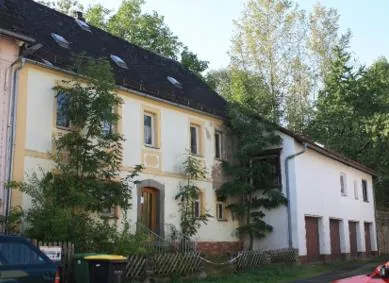
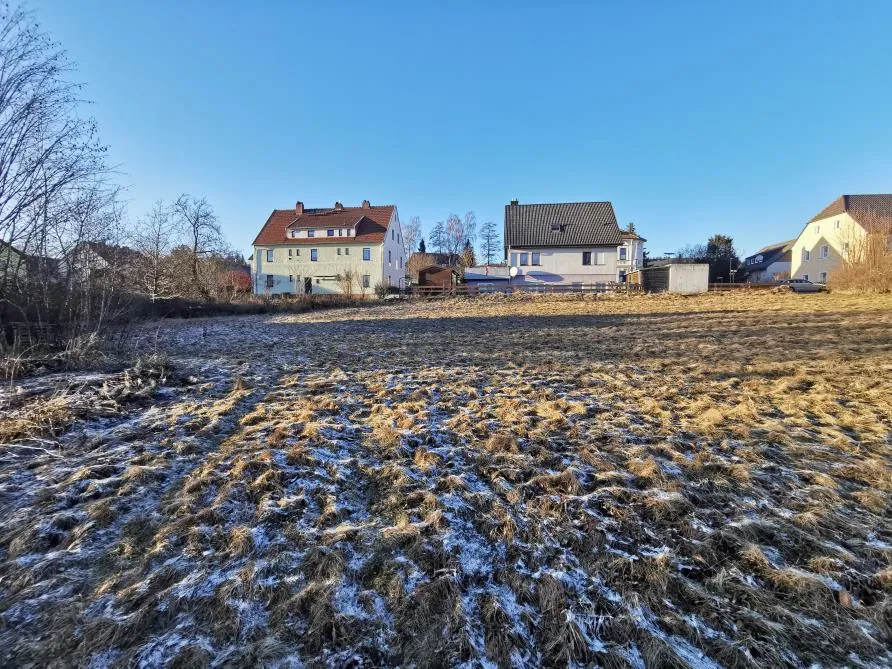
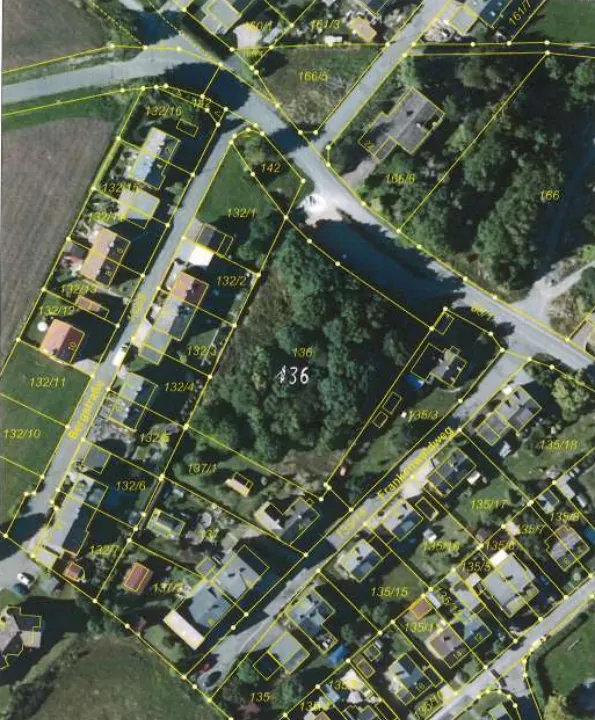
Currently for sale: See 3 houses and buildings from €130,000
Key points at a glance
- There are no restrictions on foreigners buying property in Germany – even without residence in Germany.
- Every purchase contract must be notarised; anyone who does not speak sufficient German needs a sworn interpreter.
- Buyers need a German tax identification number or are registered by the tax office; the notary will ask for it.
- German banks also finance foreign buyers, but usually require more equity (often 30–40%).
- Before the notary appointment, the source of funds must be proven (Money Laundering Act) and identity documents presented.
May I buy in Germany as a foreigner?
Yes. There are no nationality or residence requirements and no approval requirement for foreign buyers. You can acquire flats, houses, plots and commercial property – privately or through a company.
The process in brief
- Find and check the property – viewing, documents, land register (Grundbuch), energy performance certificate (Energieausweis).
- Clarify financing – proof of equity or a financing commitment.
- Reservation and draft purchase contract – the notary prepares the draft in German.
- Notarisation (Beurkundung) at the notary (Notar) – with an interpreter if necessary.
- Payment of the purchase price – after the notary's notice that payment is due (Fälligkeitsmitteilung).
- Land transfer tax (Grunderwerbsteuer) – 3.5% in Bavaria.
- Registration in the land register – only then are you the owner.
The notary and the language
In Germany, the notary is an independent public official who advises both parties neutrally. The purchase contract is usually notarised in German. If you do not have a sufficient command of the language, a sworn interpreter is mandatory; many notaries also offer bilingual versions of the contract. If you cannot travel in person, you can be represented by someone holding a notarially certified power of attorney, or approve the contract afterwards.
Identification and the Money Laundering Act
Under the Money Laundering Act (Geldwäschegesetz), notaries and estate agents must identify buyers. Have ready: passport or identity card; for companies, a register extract and details of the beneficial owner. Purchase prices may not be paid in cash in Germany; the source of funds may be checked.
Taxes
- Land transfer tax: 3.5% in Bavaria, one-off.
- Property tax (Grundsteuer): annual, depending on area and location.
- Income tax on rental income: Rental income from German property is taxable in Germany – also for non-residents. Double taxation agreements usually prevent it from being taxed a second time in your home country.
- Capital gains: A sale within ten years may be taxable, see Speculation tax.
We recommend involving a tax advisor with international experience at an early stage.
Financing
German banks also finance buyers without a German residence, but check income, creditworthiness and the source of funds carefully. Higher equity ratios of 30 to 40% are customary. Alternatively, many international buyers finance through their home bank or buy with their own funds.
Why Upper Franconia?
Upper Franconia (Oberfranken) is interesting for international buyers because purchase prices are well below those of the major cities, the region is centrally located in Europe (two hours' drive to Prague, a good three to Munich and Berlin) and rental demand at university and industrial locations is stable.
How FrankenImmo helps
We advise in German and English, explain every step, organise viewings – by video if you wish – put you in touch with notaries with foreign-language skills, interpreters, tax advisors and property managers, and accompany you through to the handover.
What is different in Germany
If you have already bought property in other countries, you will notice some differences:
| Topic | In many other countries | In Germany |
|---|---|---|
| Concluding the contract | preliminary contract, deposit, lawyers on both sides | one notarial contract; the notary is neutral for both sides |
| Deposit | customary, often 10% | not customary; the purchase price is only paid after the notice that payment is due |
| Transfer of ownership | on signing or payment | only on registration in the land register |
| Title insurance | common | not necessary – the land register enjoys public faith |
| Warranty on resale property | varies | usually excluded, except for fraudulently concealed defects |
| Cash payment | sometimes possible | prohibited |
| Price negotiation after the contract | sometimes customary | practically impossible after notarisation |
The most important consequence: all checks – condition, documents, financing – belong before the notary appointment. After that, the contract is binding.
Cost overview for international buyers
For a purchase price of €250,000 for a let flat in Bayreuth, you should expect roughly the following costs:
| Item | Amount (approx.) |
|---|---|
| Land transfer tax (3.5%) | €8,750 |
| Notary and land register (approx. 1.8%) | €4,500 |
| Buyer's share of estate agent commission (3.57%) | €8,925 |
| Sworn interpreter for the notary appointment | €300–800 |
| Translation of the draft contract (optional) | €500–1,500 |
| Certified power of attorney, with apostille if required | €100–400 |
| Tax advice on structuring | individual |
| Total | approx. €23,000–25,000 |
A general overview of the additional costs can be found under Purchase costs in Bavaria.
Buying through a company
Many investors do not buy privately but through a company – a German GmbH or a company in their home country. This can have tax advantages but also brings obligations:
- Transparency Register (Transparenzregister): Foreign companies acquiring property in Germany must have their beneficial owners entered in the German Transparency Register – otherwise the notary may not notarise.
- Proof of representation: The notary needs a current register extract, often with an apostille and certified translation.
- Taxes: Rental income and capital gains are taxed differently for companies than for private individuals. The ten-year period for tax-free sales does not apply to corporations.
Have the structure checked by a tax advisor with international experience before buying. More on investment strategies under Investment property and Portfolio.
Letting from abroad
If you buy and let in Upper Franconia but live abroad, you need reliable partners on the ground:
- Rental management (Mietverwaltung): handles tenant search, tenancy agreement, deposit, service charge statement and communication. Costs: usually €25–40 per flat per month.
- Owners' association management (WEG-Verwaltung): already in place for owner-occupied flats; it looks after the jointly owned property.
- Tax return: Rental income must be declared in Germany even if you do not live here. A German tax advisor is practically indispensable.
- German bank account: not mandatory, but very practical for rent receipts, service charges (Hausgeld) and property tax.
What makes good tenant selection is explained in our guide Finding tenants; the legal basics under Tenancy law.
Inheriting and bequeathing
For inheritance cases within the EU, the EU Succession Regulation applies: in principle, the law of the country in which the deceased last had their habitual residence applies – including to the property in Germany. However, you can choose the law of your nationality in your will. German inheritance tax may still be due, because property located in Germany is taxable here. For non-EU countries, separate rules and double taxation agreements apply. General information in our guide Inheritance.
The process at a glance
Here is the process in brief:
- Anyone can buy. There are no restrictions on foreign buyers in Germany, with or without residence.
- Budget for 8–10% extra costs in Bavaria: 3.5% property transfer tax, about 1.5–2% notary and land registry fees, plus the buyer's share of the agent's commission (usually 3.57%).
- The notary is neutral. The purchase contract is read aloud and signed in front of a German notary. If you do not speak German well, a sworn interpreter must be present.
- No deposit is paid upfront. You pay the full price only after the notary confirms that all conditions are met.
- You become the owner when you are registered in the land register (Grundbuch), usually a few weeks after payment.
- Rental income is taxable in Germany, even if you live abroad. A German tax advisor is strongly recommended.
We advise in English, organise video viewings and work with notaries, interpreters and tax advisors who are used to international clients.
Typical questions international buyers ask us
| Question | Short answer |
|---|---|
| Do I need a German address? | No, an address abroad is sufficient. |
| Can I pay in a foreign currency? | The purchase price is agreed and paid in euros. |
| Do I have to attend the notary in person? | Not necessarily; a power of attorney or subsequent approval is possible. |
| Who manages the property? | A local rental management company, which we can recommend on request. |
| Can I easily sell later? | Yes, under the same rules as German owners; after ten years, the gain from private assets is tax-free. |
Why Upper Franconia is interesting for international buyers
Many of our international clients come from countries with considerably higher property prices. What they value about Upper Franconia is the combination of a stable legal framework, prices that are moderate by European standards and a location in the heart of Europe – with Prague, Munich, Leipzig and Nuremberg within a few hours. Whether you are looking for a property for later personal use, for family members or as an investment, you will find properties here that would be out of reach in the major cities. Living in Upper Franconia gives an overview of the region, and the Upper Franconia market report provides current figures.
Frequently asked questions
How long does a purchase take for an international buyer?
Similar to domestic buyers: usually two to four months from agreement to handover. Powers of attorney, apostilles and translations take extra time – allow a few additional weeks for them.
Can I get a loan from a German bank as a foreign buyer?
It is possible, but more demanding than for domestic buyers. Banks usually require more equity and check income and the source of funds carefully. Buyers with income in euros and residence in the EU have better chances. We are happy to put you in touch with suitable financing partners.
Are there restrictions for buyers from non-EU countries?
Not for the property purchase itself. You must observe sanctions rules regarding certain countries and persons, as well as the checks under the Money Laundering Act, which apply to all buyers.
Do I need a German bank account for the purchase?
No, the purchase price can also be transferred from a foreign account. For transfers from non-euro countries, allow for the exchange rate and processing time, and inform your bank of the large amount in advance. A German account is practical for ongoing management.
How do I check a property if I cannot be there in person?
With a real-time video viewing, a complete digital data room (land register, energy performance certificate, floor plans, minutes) and – for older houses – an independent building surveyor. We can organise this for you. What matters in the check is shown in the Viewing checklist and the Buyer's checklist.
Do I have to travel to Germany for the notary appointment?
Not necessarily. You can authorise a person you trust with a notarially certified power of attorney, or approve the contract afterwards. Certification is also possible at German embassies and consulates abroad.
Do I get a residence permit by buying property?
No. Germany has no "golden visa" programme. Acquiring property does not give rise to a right of residence.
Can you advise in English?
Yes. We advise international buyers in English and accompany you through every step of the German buying process – from viewing to handover.
Sources & further reading
- bnotk.de – Federal Chamber of Notaries – notary search, including foreign-language skills
- bzst.de – Federal Central Tax Office – tax identification number
- transparenzregister.de – Transparency Register – mandatory information for purchases via companies
- bundesfinanzministerium.de – Federal Ministry of Finance – double taxation agreements by country
- e-justice.europa.eu – European e-Justice Portal – EU Succession Regulation and notaries in Europe
- gesetze-im-internet.de – Money Laundering Act (GwG)
Unsure about a term? Property glossary · FAQ
Matching listings
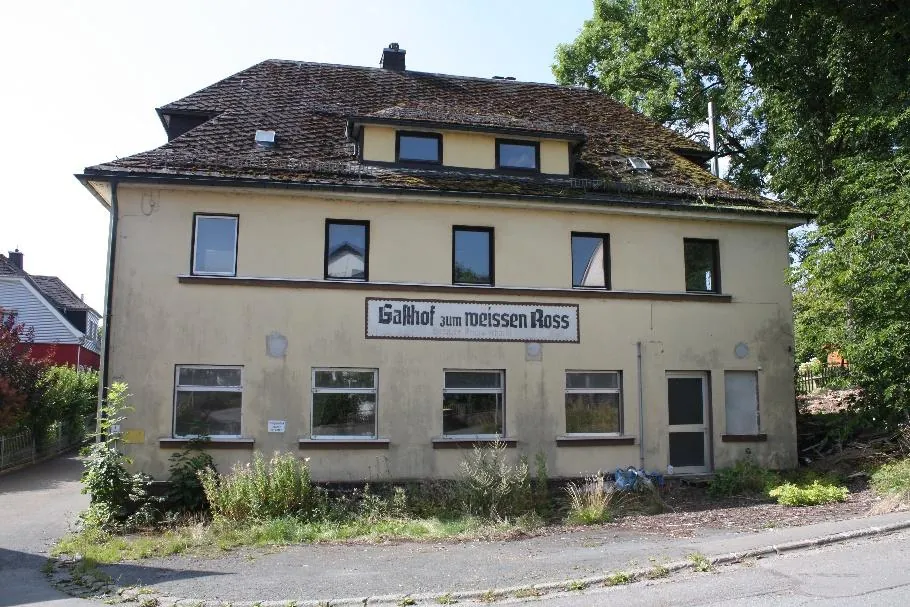
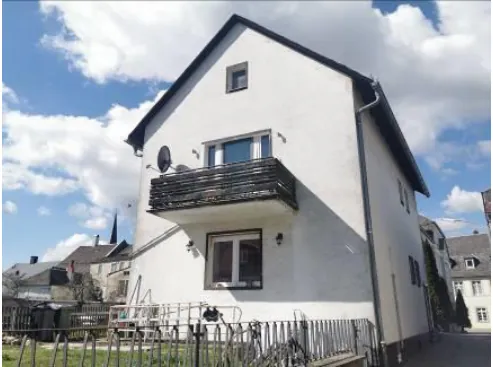
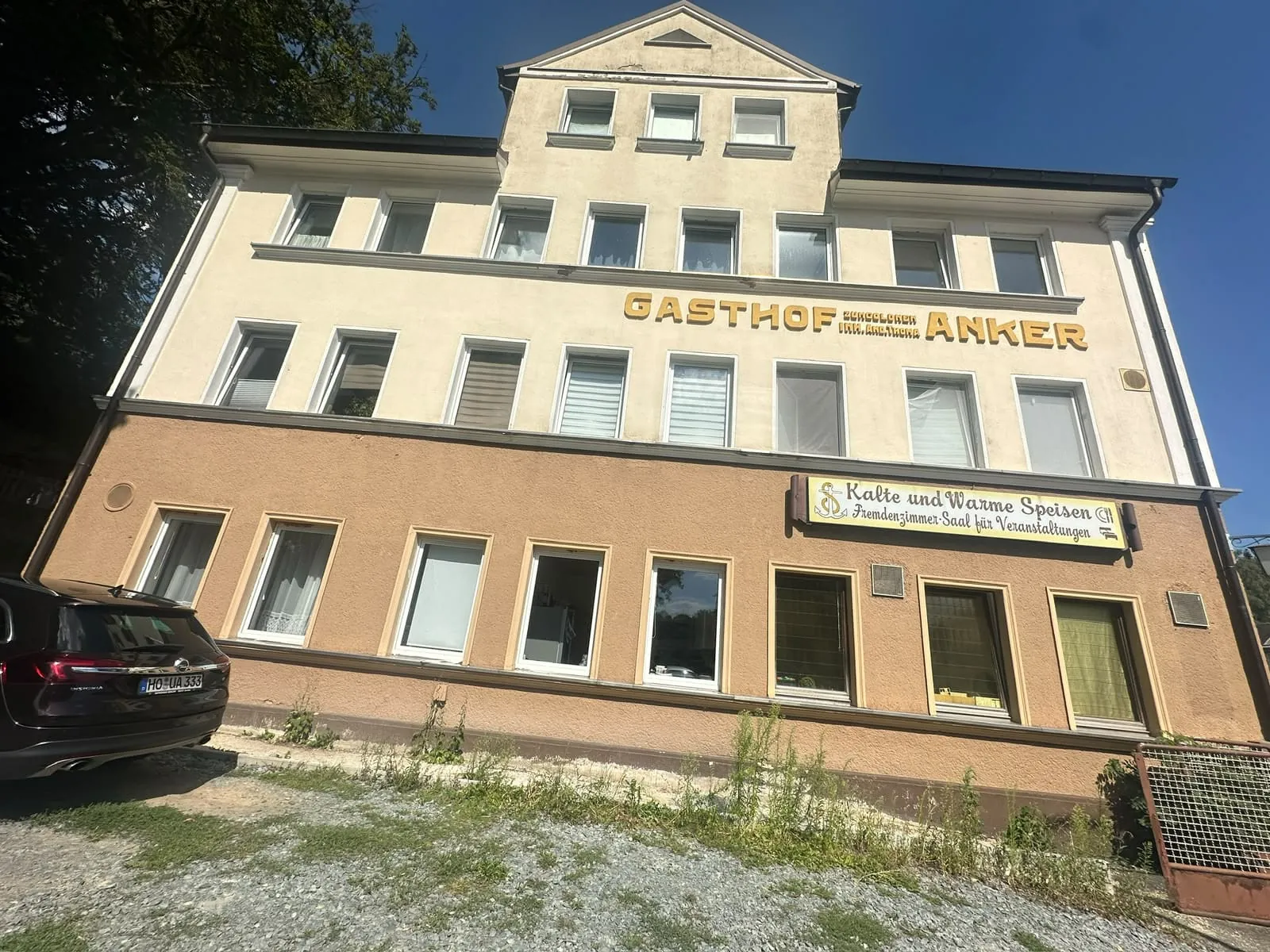
What is your property worth today?
A market-based valuation using real comparable sales from Upper Franconia – free, without obligation, usually within 48 hours.
- One personal contact for all of Upper Franconia
- Reply usually within 24 hours