Project Development and Building Permits – Creating New Value from Existing Buildings and Land
Vacant commercial halls, old inns, factory buildings or large city-centre plots: in Oberfranken there are many properties whose value only becomes visible through a new use. Together with owners and investors, we develop viable concepts – and support them through to approval and marketing.
Matching listings
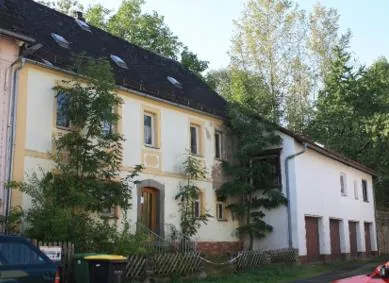
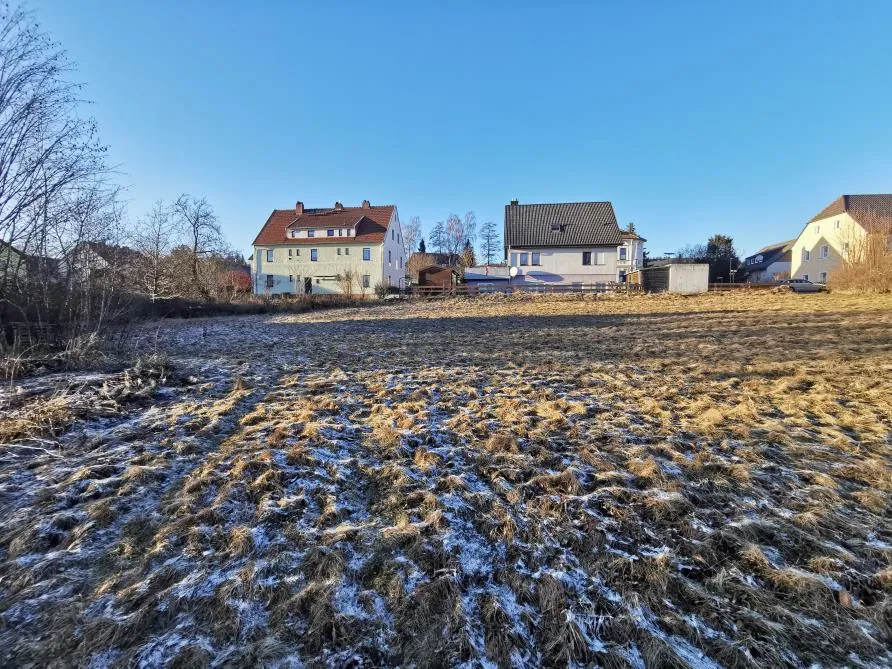
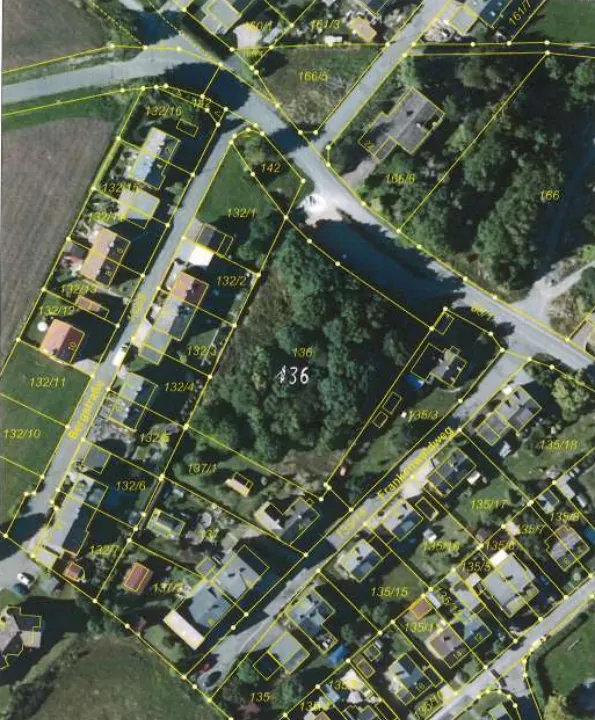
Inhalt dieser Seite (5)
Currently for sale: See 4 plots from €38,000
Key points at a glance
- Project development pays off when a plot or existing building has more potential than its current use.
- We check building rights, development options, costs and marketability before any investment is made.
- Typical projects are conversions, densification, senior living and small residential complexes.
- We work with architects, planners and authorities, and put you in touch with investors and developers.
- The result is a clear decision: develop yourself, develop with a partner, or sell with building rights.
When project development pays off
- A property is vacant or permanently hard to let.
- The building rights allow considerably more floor space than is used today.
- A conversion – for example from commercial to residential, a medical practice or care – is possible under planning law.
- A sale in its current condition would be well below the achievable value.
Our services
Feasibility study: Planning law, floor space potential, demand analysis, rough construction costs, revenue and yield forecast. The result is a clear recommendation: develop, sell with a permit, or sell as it stands.
Use concept: Together with architects from our network, we create a concept that suits local demand – from the mix of flats to the commercial unit on the ground floor.
Permit support: Coordination with the building authority, the district office (Landratsamt), the monument protection authority and the municipal council. The preliminary building enquiry (Bauvoranfrage) and the building application are submitted by planners; we coordinate and keep an eye on the schedule.
Funding: Urban development funding, redevelopment areas with increased depreciation (§ 7h EStG), depreciation for listed buildings (§ 7i EStG), KfW programmes – we show you which instruments are suitable.
Marketing: Sale of the approved project to investors, or sale of the finished units to owner-occupiers and investors.
Examples from our practice
- Conversion of a former car repair workshop in Hof into a commercial and medical services facility
- Feasibility study and planning of a senior living project in Marktredwitz
- Location assessment for a new supermarket branch in Naila
More on this in our case studies.
From plot to project: the steps
| Phase | Content | Result |
|---|---|---|
| Potential analysis | Location, building rights, demand, plot shape | Assessment of whether development pays off |
| Feasibility study | Variants, floor space, costs, revenues | Profitability calculation |
| Coordination with the municipality | Preliminary building enquiry, development plan, parking spaces | Planning certainty |
| Planning and approval | Architect, structural engineering, building application | Building permit |
| Marketing or sale | Sale with building rights or sale of the units | Proceeds |
Three paths for plot owners
- Sale without development: quick and risk-free, but often below the possible value.
- Sale with building rights: after a preliminary building enquiry or permit, developers usually pay considerably more because the risk is lower.
- Joint development: owner and developer share risk and profit, for example via a share of the proceeds.
Which path is right depends on time, capital and appetite for risk. More under Selling a plot, Developers and Standard land values.
Frequently asked questions
Do I have to invest myself in a project development?
Not necessarily. Many owners sell their plot to a developer once the building rights have been clarified, or develop it together with a partner who brings in the capital.
How much does a feasibility study cost?
The fee depends on the size and complexity of the property and is agreed in advance. If the project is subsequently marketed through us, we often offset the fee against the commission.
How long does a building permit take in Oberfranken?
For simple residential buildings, expect two to four months from submission of the complete building application; for conversions and special buildings, six months or more. A preliminary building enquiry can clarify many questions in advance.
Can you also find investors for my project?
Yes. Through our Investor matching, we reach private and institutional investors who are specifically looking for projects and development properties in Oberfranken.
What is your property worth today?
A market-based valuation using real comparable sales from Upper Franconia – free, without obligation, usually within 48 hours.
- One personal contact for all of Upper Franconia
- Reply usually within 24 hours